
Get Masonry Tuckpointing in Boston, MA
Masonry tuckpointing services offered by local contractors in Boston help repair cracked, deteriorating mortar joints on brick and stone buildings, restoring strength and appearance.
Masonry tuckpointing is a practical service for property owners in Boston, MA seeking to preserve the integrity and appearance of their brickwork. Over time, mortar joints can degrade due to weather exposure and age, leading to potential structural issues or aesthetic concerns. Exploring local contractors who specialize in tuckpointing can help ensure that brick surfaces remain durable and visually appealing, making it an important consideration for maintaining historic buildings, residential homes, or commercial properties in the area.
For those planning masonry projects or comparing options among local service providers, understanding the scope and expertise available can support informed decisions. Connecting with experienced contractors who understand the unique demands of Boston’s climate and architecture can be a valuable step in safeguarding property investments. Keep reading to learn more about how local pros can assist with tuckpointing needs and what to consider when selecting a provider.
- Historic building restoration - when stonework shows signs of age or deterioration in neighborhoods like Beacon Hill or Back Bay.
- Cracked or damaged brickwork - when mortar joints are crumbling or gaps appear in residential or commercial masonry in Boston neighborhoods.
- New masonry projects - when constructing or refurbishing facades, walls, or chimneys that require precise tuckpointing for durability.
- Water intrusion issues - when moisture leaks through mortar joints, causing damage to interior walls or foundation in older buildings.
- Masonry repair after weather damage - when storms or freeze-thaw cycles cause deterioration in brick or stone structures in nearby towns.
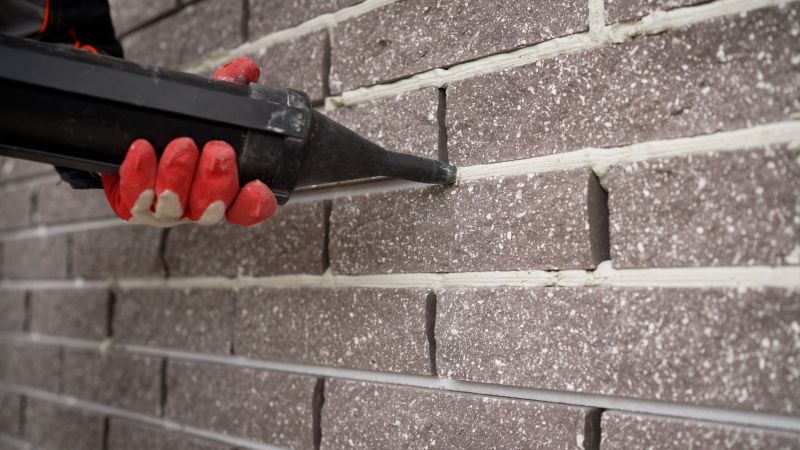
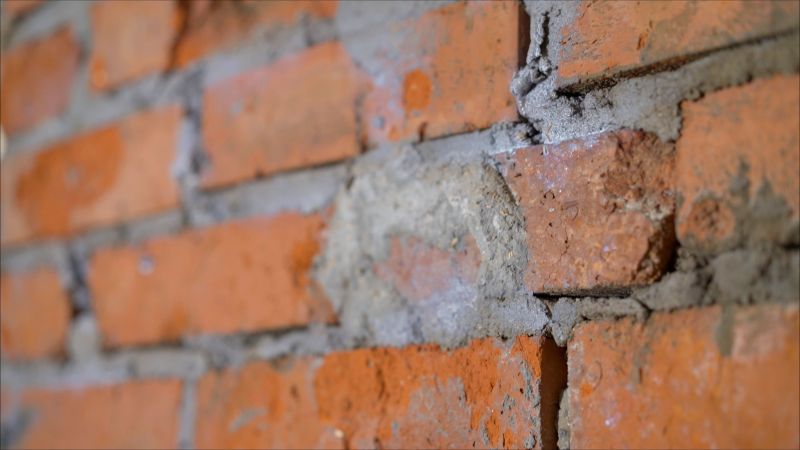
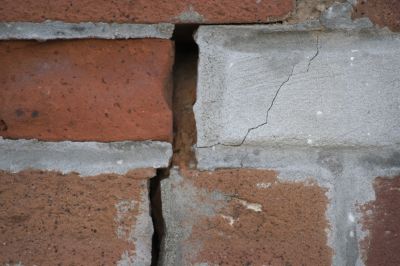
Masonry tuckpointing services involve repairing and restoring the mortar joints between bricks, stones, or blocks in a building’s exterior. Over time, exposure to weather, temperature changes, and settling can cause mortar to crack, crumble, or deteriorate. Tuckpointing typically includes removing damaged mortar and carefully applying new mortar that matches the existing joints in color and texture. This process helps preserve the structural integrity of the masonry and enhances the appearance of the property, making it a practical solution for maintaining historic buildings, residential homes, and commercial facades.
This service is especially valuable for addressing common problems such as crumbling mortar, gaps, or cracks that can lead to water infiltration and further damage. When mortar deteriorates, it can compromise the stability of brick or stone walls, potentially leading to more costly repairs if left unaddressed. Tuckpointing helps prevent moisture from seeping into the structure, reducing the risk of mold, rot, or freeze-thaw damage. It also improves the overall look of the property, giving it a fresh, well-maintained appearance that can boost curb appeal and property value.
Properties that frequently benefit from tuckpointing include historic buildings, residential homes, apartment complexes, and commercial structures with brick or stone exteriors. Older properties, particularly those in areas with harsh weather conditions like Boston, MA, often require periodic mortar repairs to maintain their structural soundness. Brick facades on storefronts or residential facades that show signs of aging or damage are common candidates for tuckpointing. Regular maintenance through this service can extend the lifespan of masonry and help preserve the aesthetic charm of buildings in the community.
Homeowners and property managers should consider masonry tuckpointing when noticing visible cracks, crumbling mortar, or signs of water damage around brickwork. Addressing these issues early with the help of experienced local contractors can prevent more extensive and costly repairs later on. Tuckpointing is a practical choice for restoring the strength and appearance of masonry surfaces, ensuring buildings remain safe, attractive, and structurally sound for years to come. Contacting qualified service providers can help determine if this service is needed and ensure the work is done properly.
The overview below groups typical Masonry Tuckpointing projects into broad ranges so you can see how smaller, mid-sized, and larger jobs often compare in Boston, MA.
In many markets, a large share of routine jobs stays in the lower and middle ranges, while only a smaller percentage of projects moves into the highest bands when the work is more complex or site conditions are harder than average.
Smaller Repairs - Minor tuckpointing jobs, such as fixing cracks or small areas, typically cost between $250 and $600. Many routine repairs fall within this range, depending on the extent of the work needed.
Medium-Scale Projects - Larger sections of brickwork or multiple areas requiring tuckpointing generally range from $600 to $2,000. These projects are common for homeowners seeking to restore appearance and structural integrity.
Full Masonry Restoration - Complete tuckpointing of a standard-sized brick facade can cost between $2,000 and $5,000. Fewer projects reach the upper end of this range, which is usually reserved for extensive or complex work.
Full Replacement or Major Repairs - In cases of severely damaged masonry or full wall replacements, costs can exceed $5,000. Such projects are less frequent and depend heavily on the size and complexity of the work involved.
Actual totals will depend on details like access to the work area, the scope of the project, and the materials selected, so use these as general starting points rather than exact figures.
Brick Restoration - professionals skilled in repairing and restoring brickwork, utilizing similar techniques and tools as those used in tuckpointing to ensure structural integrity and aesthetic appeal.
Stone Masonry Repair - contractors experienced in working with natural stone materials, applying comparable planning and skillsets to repair and preserve historic or decorative stone surfaces.
Chimney Repointing - local service providers who specialize in repointing and restoring chimney masonry, requiring similar skills in mortar matching and masonry craftsmanship.
Facade Restoration - experts capable of restoring building facades, involving detailed masonry work and surface preparation akin to tuckpointing projects.
Concrete Masonry Work - contractors who handle concrete block installations and repairs, sharing planning and structural skills with tuckpointing services.
Historic Masonry Preservation - specialists focused on preserving and repairing historic masonry structures, employing techniques similar to tuckpointing to maintain authenticity and durability.
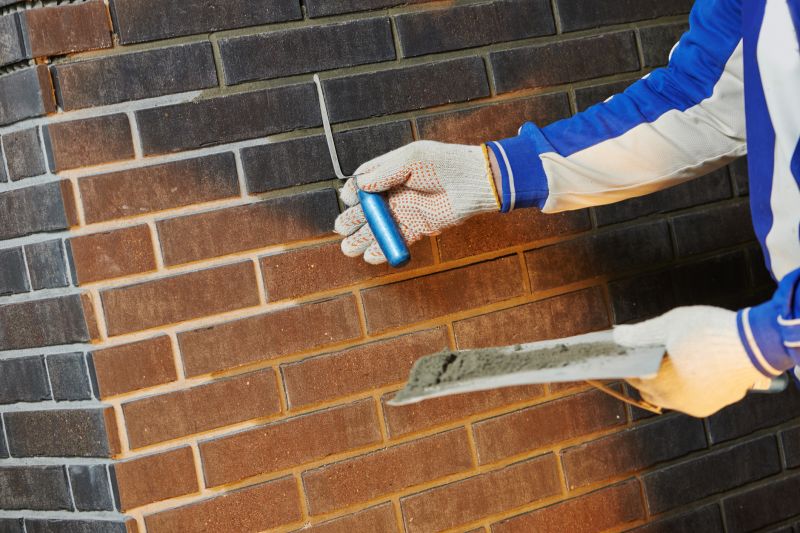
When comparing masonry tuckpointing service providers in Boston and nearby areas, it’s important to consider their experience with similar projects. Homeowners should inquire about how long a contractor has been working with tuckpointing and whether they have handled projects of comparable size and scope. An experienced contractor will be familiar with the specific challenges that come with restoring brickwork in the local climate and can provide insights into the best techniques for durable results. Looking into a provider’s background with projects similar to the one at hand can help ensure that the chosen professional has the practical knowledge necessary to deliver quality work.
Clear, written expectations are essential when evaluating potential service providers. Homeowners should seek detailed proposals that outline the scope of work, materials to be used, and any specific steps involved in the tuckpointing process. This transparency helps prevent misunderstandings and ensures that both parties are aligned on project goals. Reputable local contractors will be able to communicate their approach clearly and provide documentation that supports the scope and details of the project, giving homeowners confidence in the professionalism of the service provider.
Good communication and reputable references are key factors in selecting a reliable masonry professional. Homeowners are encouraged to ask for references from previous clients who had similar work done and to follow up with these contacts about their experience. Additionally, a responsive and transparent service provider who actively listens and answers questions thoroughly can make the process smoother and more predictable. While this site introduces homeowners to local options, it’s important to independently verify a contractor’s reputation and communication style to find a team that will be attentive and clear throughout the project.
Property owners in Boston, MA use Masonry Tuckpointing services for practical projects around their homes and businesses. This guide focuses on everyday jobs and straightforward project options.
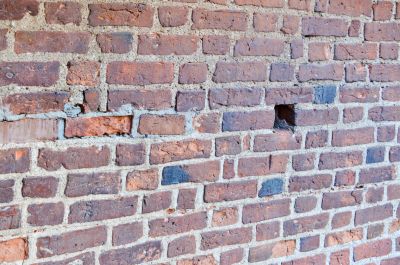
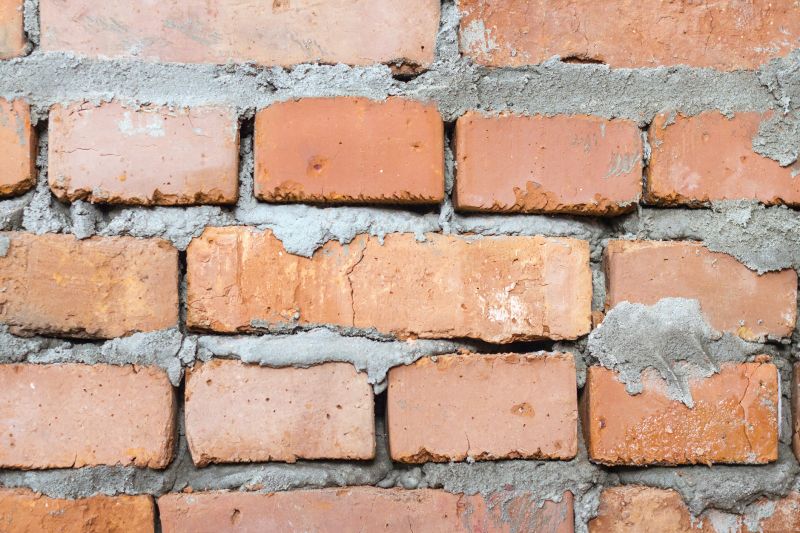
Masonry tuckpointing services are often needed when mortar joints between bricks or stones begin to deteriorate or show signs of damage. Property owners in Boston, MA, might seek these services to repair cracks, crumbling mortar, or gaps that can compromise the structural integrity and appearance of their buildings. Whether it’s restoring the façade of a historic row house or maintaining a commercial brick building, local contractors can help address these common issues to preserve the property’s value and curb appeal.
Additionally, many property owners look for tuckpointing work as part of routine maintenance or preemptive repairs to prevent more extensive damage. In Boston’s climate, freeze-thaw cycles can cause mortar to weaken over time, making timely repairs important. Local service providers can handle a variety of projects, from small repairs on residential homes to larger restoration efforts on commercial properties, helping owners keep their buildings safe and looking their best.
What is tuckpointing in masonry? Tuckpointing involves removing damaged mortar between bricks and replacing it to restore the wall’s appearance and structural integrity.
Why is tuckpointing important for masonry? Tuckpointing helps prevent water infiltration, reduces the risk of structural damage, and maintains the aesthetic appeal of brickwork.
How do local contractors handle tuckpointing projects? Experienced service providers assess the condition of the mortar, carefully remove deteriorated sections, and apply new mortar to match existing joints.
Can tuckpointing be performed on historic or decorative brickwork? Yes, skilled contractors can restore historic or decorative brickwork while preserving its original look and details.
What signs indicate that masonry tuckpointing may be needed? Visible cracks, crumbling mortar, water stains, or loose bricks are common signs that tuckpointing services may be required.
Restoring Masonry Appearance - Tuckpointing can improve the look of brickwork on historic homes or commercial buildings in Boston by replacing worn mortar.
Preventing Structural Damage - Addressing cracked or deteriorated mortar helps protect foundations and walls from water infiltration and further damage.
Maintaining Property Value - Regular tuckpointing services can keep brick surfaces in good condition, supporting the overall value of residential or commercial properties.
Preparing for Weather Changes - Reinforcing mortar joints before winter can help withstand harsh weather conditions common in the Boston area.
If you are thinking about Masonry Tuckpointing for a property in Boston, MA, this guide is meant to help you understand the work, the typical project types, and how different options might fit your plans.
When you are ready, you can use the quote form on this page to share a few details about your project. From there, local pros can review the basics and respond with options that match what you have in mind.